
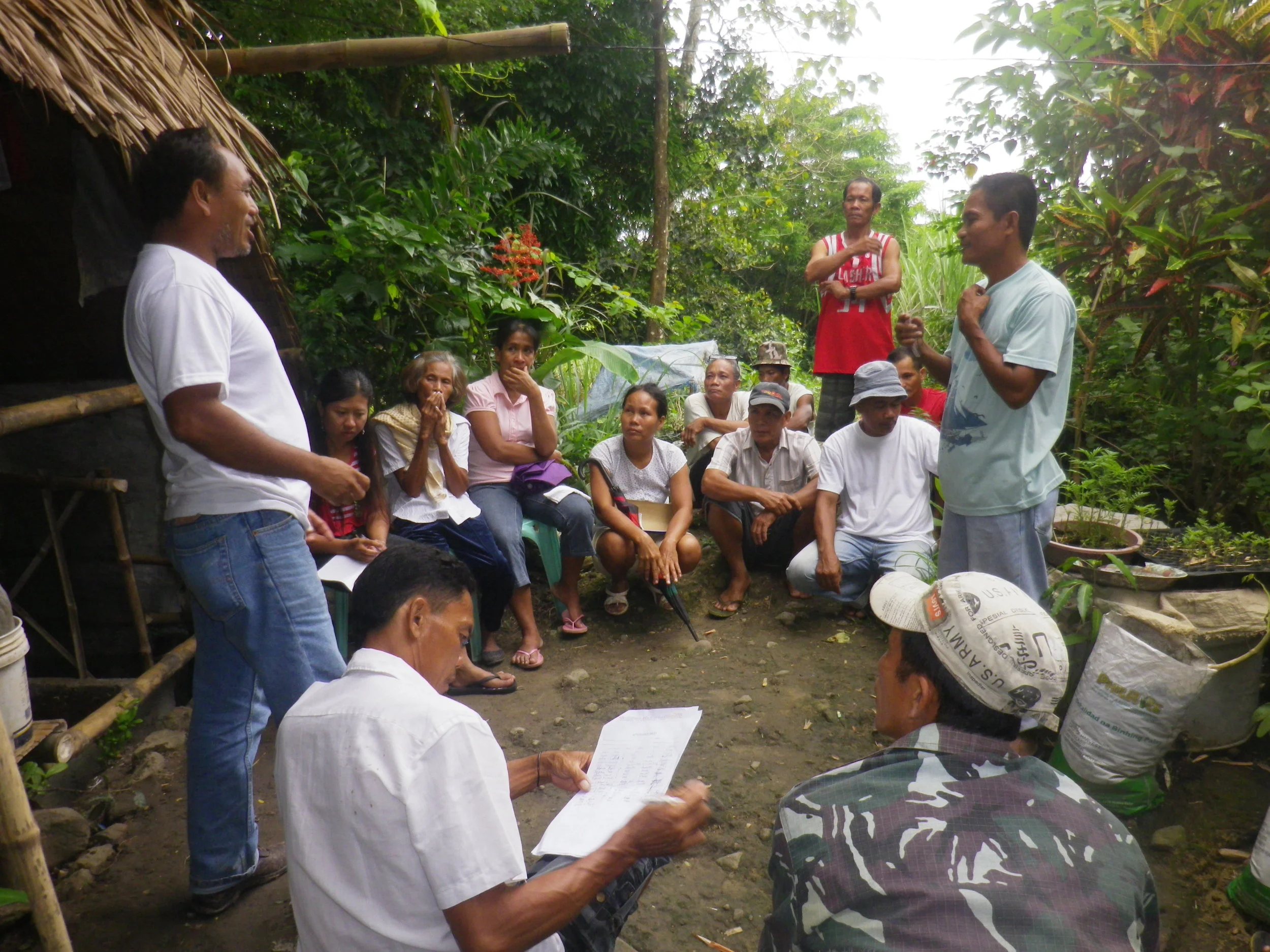

Talking Sustainable Livelihoods with women's association member Helen Cristobal
“I wanted to manage the land with my son. This is usually the role of a man but I wanted to do everything I could for my grandchildren”
Talking Sustainable Livelihoods and supporting women’s projects with Helen Cristobal from San Miguel, Murcia.
Conversations with the Community
“I wanted to manage the land with my son. This is usually the role of a man but I wanted to do everything I could for my grandchildren.”
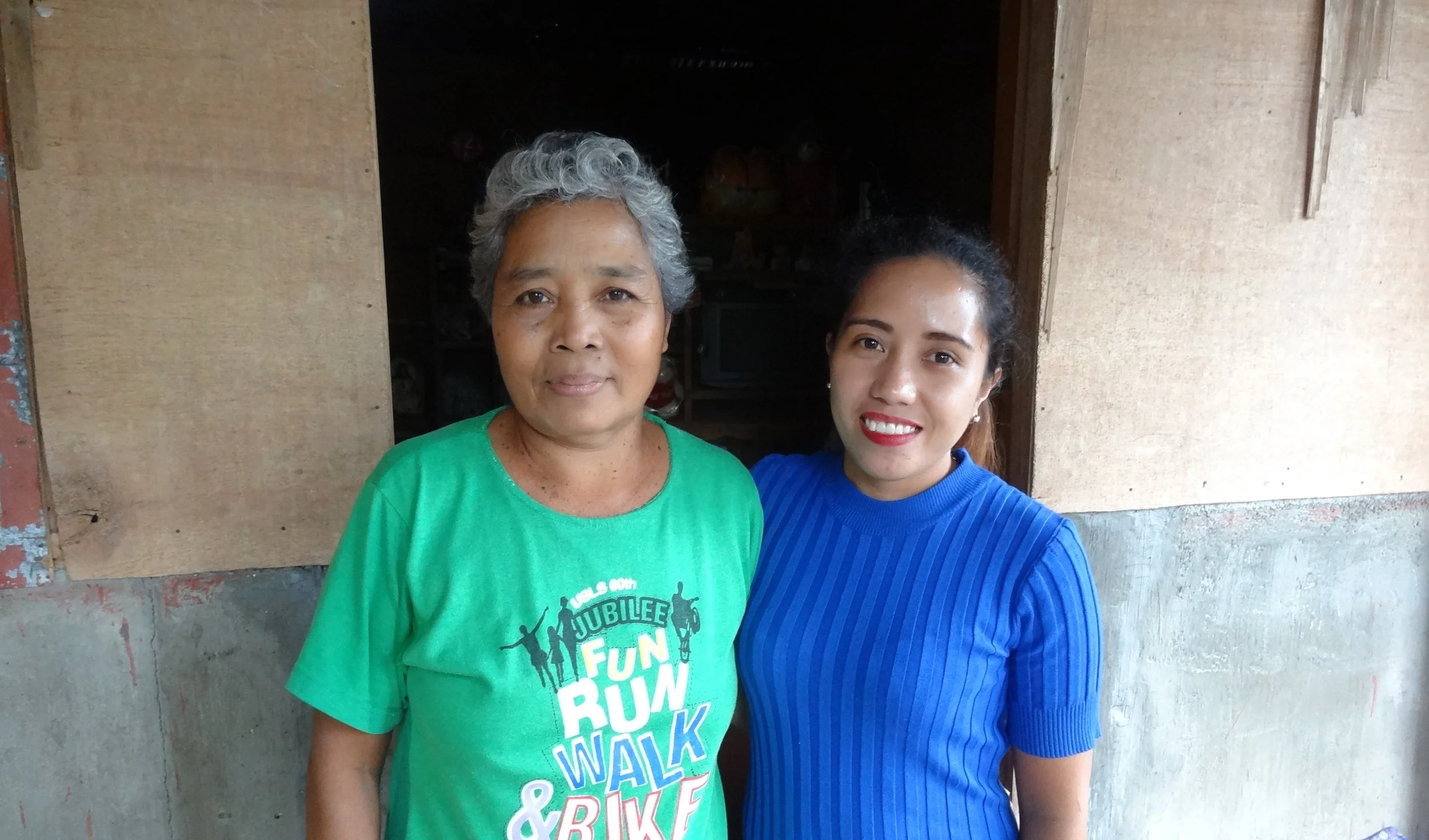
Talking sustainable livelihoods with women's association member Helen Cristobal
Helen Cristobal’s path first crossed with Quidan Kaisahan three years ago. Helen’s husband had recently passed away and on top of mourning the loss of her husband, she began to feel the pressures of providing for her three children and her grandchildren.
It was around this time, Helen first heard about the San Miguel Women’s Organization in her local barangay (village) from one of the other members. They invited Helen to come along to a meeting and she was curious to know more about this community group. Helen understood the group gets together regularly to discuss community issues and she had heard that they support members with additional income-generating projects.
After the first visit, Helen decided to join, “it helped me realize so many opportunities for additional income. Before the women’s organization, I didn’t know these opportunities were available for me.”
The women’s association work together on a successful co-operative swine fattening projects. They invited Helen to join but that wasn’t the plan she had in mind. Her family had some land and Helen and her family wanted to grow crops there but didn’t have the capital to get started. Helen’s husband had run the farm for many years but they rarely made profit as it all went towards making the repayments to loan sharks who were charging extortionate interest rates.
Helen had a vision for her family and saw the opportunity available through the women’s organization to continue the work of her husband. This time though, with support from the women’s organization and Quidan Kaisahan.
However, the women’s organization hadn’t run any farming projects before. They sought the help of Quidan Kaisahan who have supported this group and their members for more than three years.
“I wanted to manage the land with my son. This is usually the role of a man but I wanted to do everything I could for my grandchildren.” Helen says.
With the help of Quidan's Sustainable Livelihood team, Helen and Quidan begun viability testing, extensive planning and microfinance options for the farm. Quidan’s microfinance options offer significantly lower interest options and helped Helen buy the seeds for the first harvest.
The farm has just seen its third harvest and despite ups and downs, Helen is both incredible proud and grateful for the savings that she has been able to make from this project.
“Before, all the profits from our farm went to pay back the interest of the old loan. Now, I get to keep the profits for my family,”
“I see my grandchildren and it’s my responsibility to help with their school. And now, I can make sure they stay in school,” Helen shared.
Helen’s daughter-in-law, Jenelyn Cristobal, recently joined the Women’s Association herself. Following in Helen’s footsteps, Jenelyn hopes to have a successful project of her own.
It’s only been a couple of months and Jenelyn already feels she has gained, “I see now, it’s a big help when women are empowered. Now we are part of the decision making. Before we weren’t a part of it,” Jenelyn reflects.
Helen shares her knowledge with the other members of the women’s association and is so grateful for the opportunity it has provided her and her family.
“I want to share my experiences with the other members so they can have the same.”

Talking Education with community volunteer Genelyn Benjamin
“As long as I live, I will encourage people. I will encourage the people who want to learn.”
Talking Education and making it accessible to all with local ALS volunteer Genelyn Benjamin
Conversations with the community
“For the community, education is important. It is important because the communities that are educated can understand their situation better. They can adapt better to change.”
TALKING EDUCATION WITH ALS VOLUNTEER GENELYN BENJAMIN
The walls of Genelyn Benjamin’s child care centre are covered with paper plates reimagined into lions or panda faces, straws shaped into flowers and colorful ABCs. In every direction, there is inspiration for her young students’ active, creative and learning minds.
But this room isn’t only for some of the barangay’s (village’s) youngest students. It is also the alternative learning space for some of the more unconventional learners.
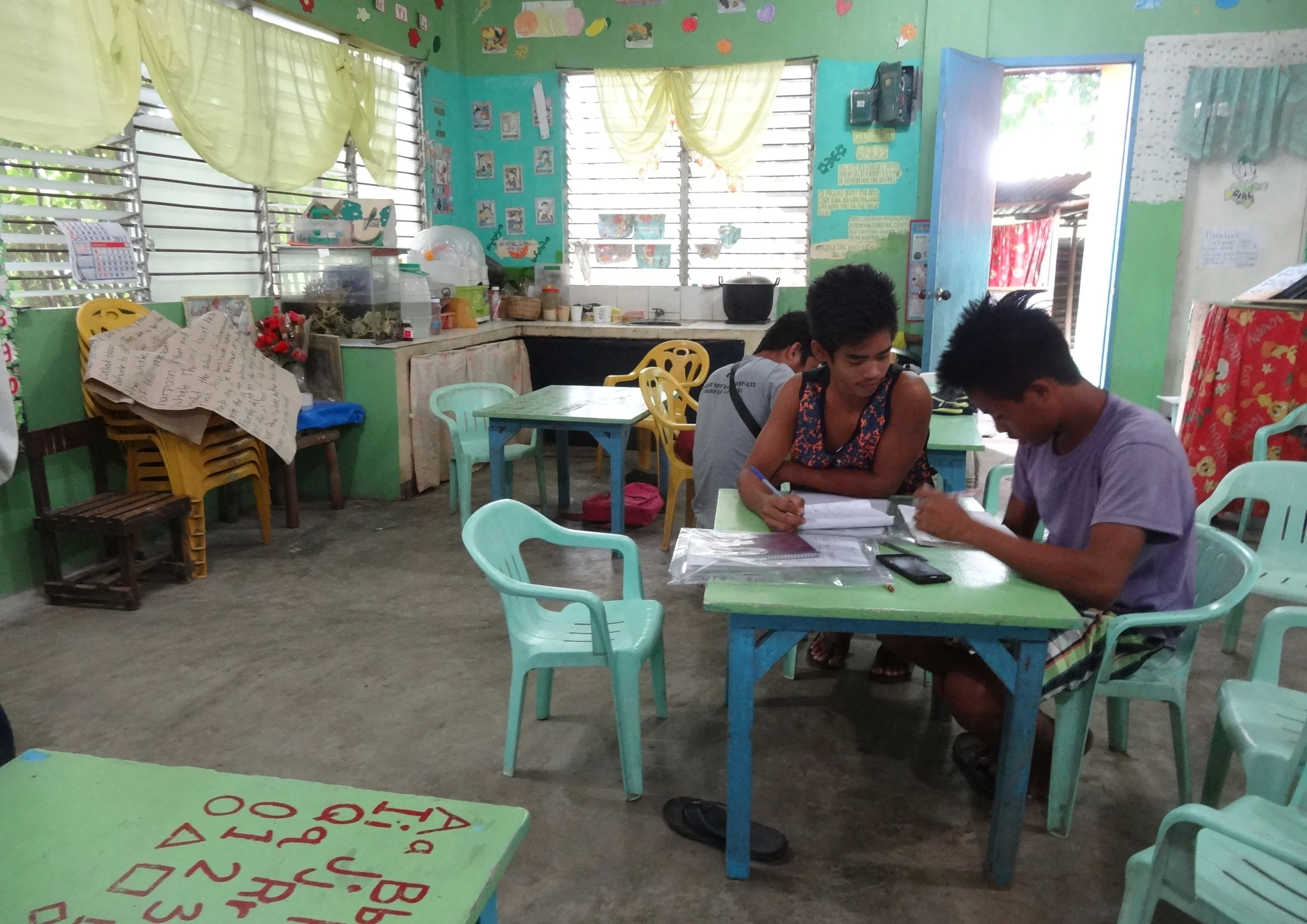
Every Thursday, Friday and Saturday, Genelyn opens up barangay Blumentritt’s child care centre to Alternative Learning System (ALS) students from the area. ALS is an alternative approach to schooling, providing education that is flexible and accessible for learners that are not able to attend formal school due to a range of circumstances.
In Genelyn’s classroom, poverty is the main reason her students leave school. Some learners are only 15 years old but are already working full time in the sugarcare fields that surround Negros Occidental. Despite their situation, Genelyn knows these children still want to learn. She can see this each time they travel in the rain or come to class tired after work; they are committed to their own education.
Genelyn could talk about education all morning with us. She’s made education her life’s work but it wasn’t always the plan. Her parents wanted her to study engineering which she did for a year before following her heart and transferring to her education degree. It took her three more years to tell her parents she changed, but she knew it was the right thing to do, “I love my profession being an educator,” she shares.
From her education degree, Genelyn planned to teach high school. And she did for many years. But it was between jobs that she took on work in the child care centre and accepted the invitation from the barangay kagawad to start as an instructional manager (IM) for the ALS program.
“Back then [2008], there were not many IMs and there were not many ALS students.” Genelyn recalls.
Quidan Kaisahan supported the Department of Education’s ALS program in Brgy Blumentritt, trained Genelyn and provided her with resources as one of the pioneer volunteers in the area. She remembers her first five students which quickly turned to eight. And how the number continued to grow. Genelyn was a driving force in spreading the message about ALS and bringing many out of school youth back to education in Blumentritt.
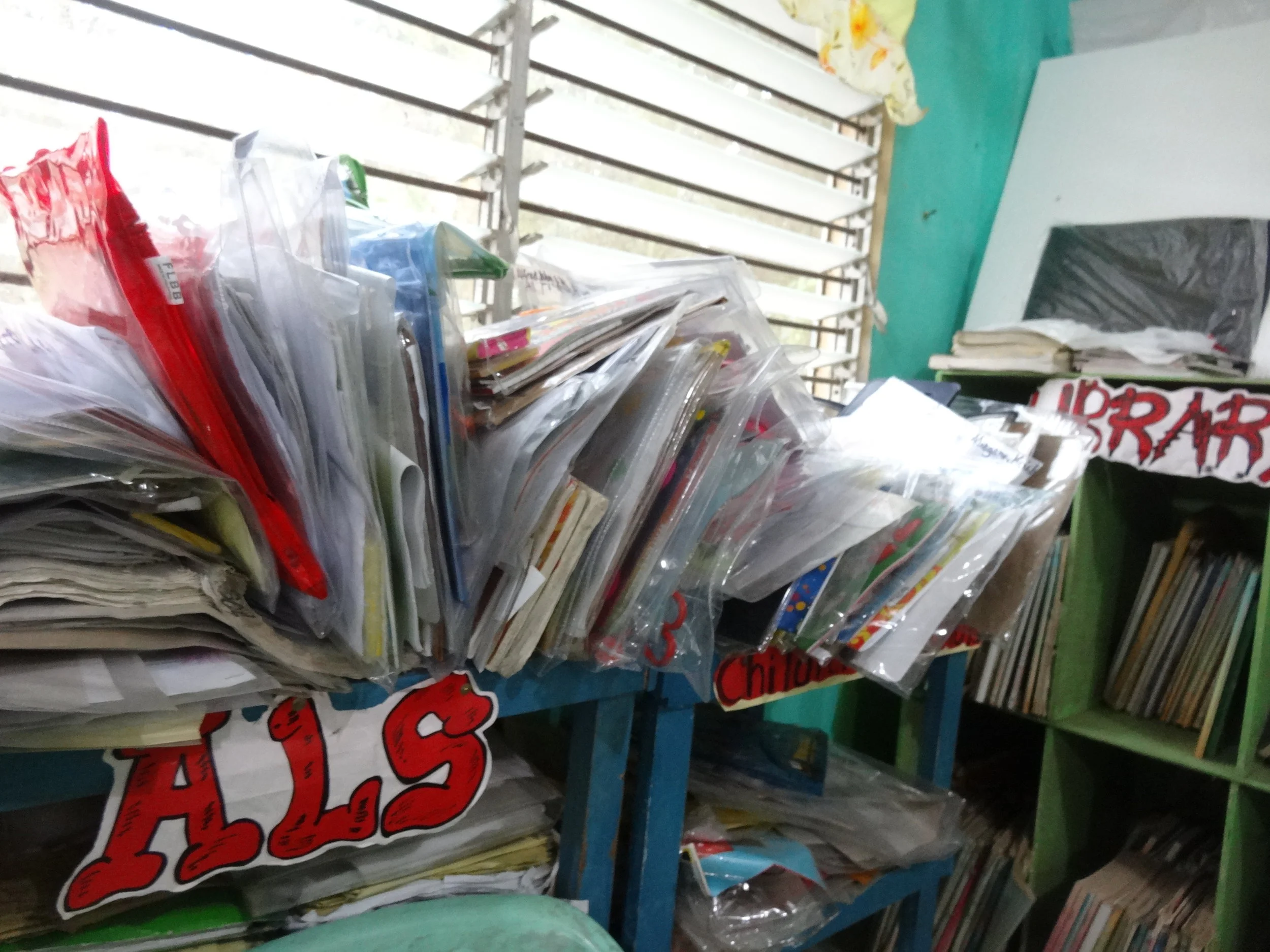
Once she had opened her classroom to these students, she couldn’t turn her back on them. Genelyn grew up in Blumentritt, her own elementary school is just around the corner from where she works now. She knew she had to give back to her community.
“For the community, education is important. It is important because the communities that are educated can understand their situation better. They can adapt better to change,” Genelyn says.
Genelyn has had many of her ALS students continue to the Accreditation and Evaluation (A&E) exam and pass. The A&E provides ALS students with a grade 10 equivalent certificate and opens opportunities for future study in grade 11, 12, college and improved job options.
Last year, the community came together to celebrate the A&E passers. Genelyn has had many passers in recent years. It’s the moment of greatest pride for Genelyn and the passers families she tells us, “When they announce the passers it makes the parents very proud. It makes me proud.”
Genelyn tells other child laborers about her passers and is the hope many of the students in her class today. Genelyn and her ALS students see education as a crucial component to helping better their lives and the lives of their families.
“As long as I live, I will encourage people. I will encourage the people who want to learn.”
Quidan Kaisahan supports the Department of Education’s ALS in barangays around Negros. We provide training and assistance to dedicated community volunteers like Genelyn.


Talking education with community volunteer Analyn Regollen
“Some people say I am Wonder Woman. But I tell then, I’m just an IM (Instructional Manager)”
Talking Education and volunteering in the community with Anlyn Ragollan from Murcia.
Conversations with the Community
“Some people say I am Wonder Woman. But I tell them, I’m just an IM [instructional manager]”
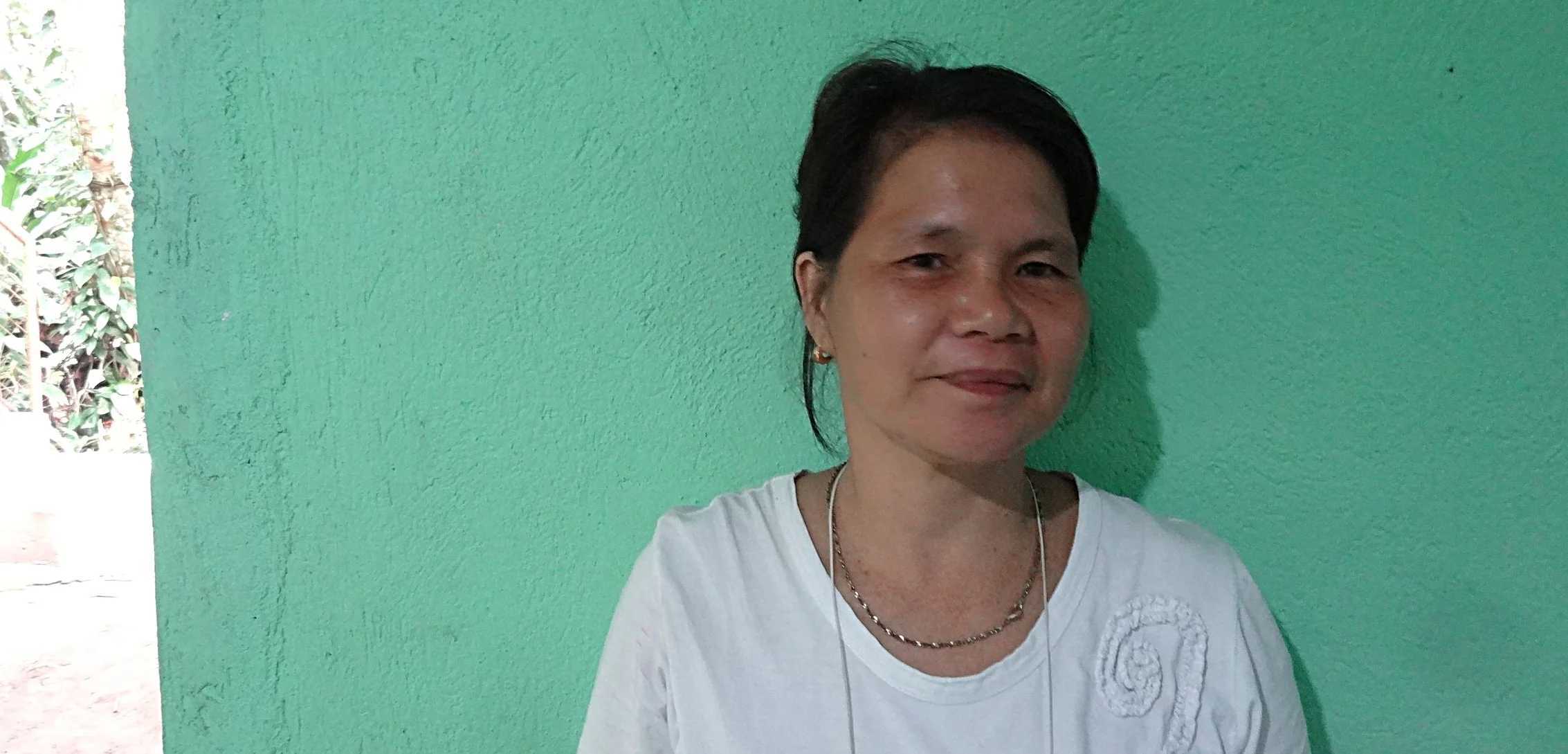
TALKING EDUCATION WITH COMMUNITY VOLUNTEER ANALYN REGOLLEN
Analyn Regollen works two jobs but still in her spare time she volunteers as an instruction manager teaching classes for ALS. These alternative learning system (ALS) classes are for out-of-school youth in barangay San Miguel, Murcia where Analyn lives.
She packs a lot into every day and week but she says her students inspire her to keep volunteering, “They want to keep coming to class which is why I like coming too.”
Many of Analyn’s students are under 18 years old but have left school to work full time to help support their family.
Analyn says her ALS students want to keep learning, even though many have had to drop out of formal school. Even at their young age, they can see the importance of their education.
Quidan supports superhero volunteers like Analyn conduct alternative learning classes by providing instructional manager training support. For the 2017/18 school year, Quidan donated school supply kits for partner ALS classrooms like Analyn's.

Talking community empowerment with San Miguel's women’s association member Editha Origen
“(We) have come together to make formal plans as a group. The alliance is a united force to pursue our plans.”
Talking community empowerment and joining forces for a stronger voice with Editha Origen from San Miguel’s women’s organization.
conversations with the community
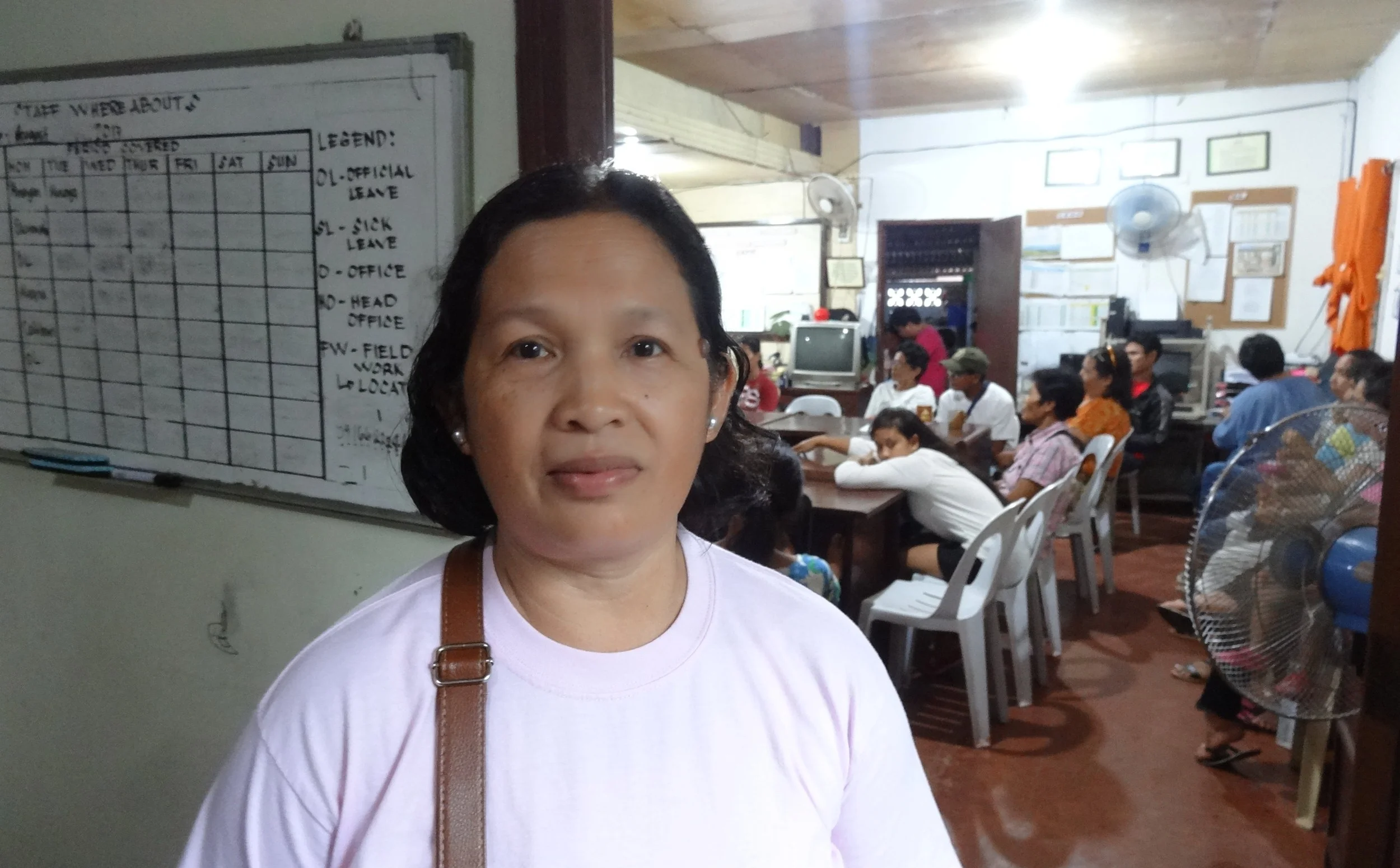
TALKING COMMUNITY EMPOWERMENT WITH WOMEN'S ASSOCIATION MEMBER EDITHA ORIGEN
“I joined the San Miguel women’s association because I heard it can help with extra income projects which I especially needed for my kids’ schooling. Now I am also part of the alliance group. Other sectors, like farmers, women and youth, have come together to make formal plans as a group. The alliance is a united force to pursue our plans. At the moment, this is to help protect and help children in our area.”

Talking Community Empowerment with local volunteer Pastor Joseph Elumba from Barangay Agboy
“Many people [in Barangay Agboy] wondered if there was something wrong with Quidan.”
Talking Community Empowerment and earning trust in new communities with Pastor Joseph Elumba from Barangay Agboy.
Conversations with the Community
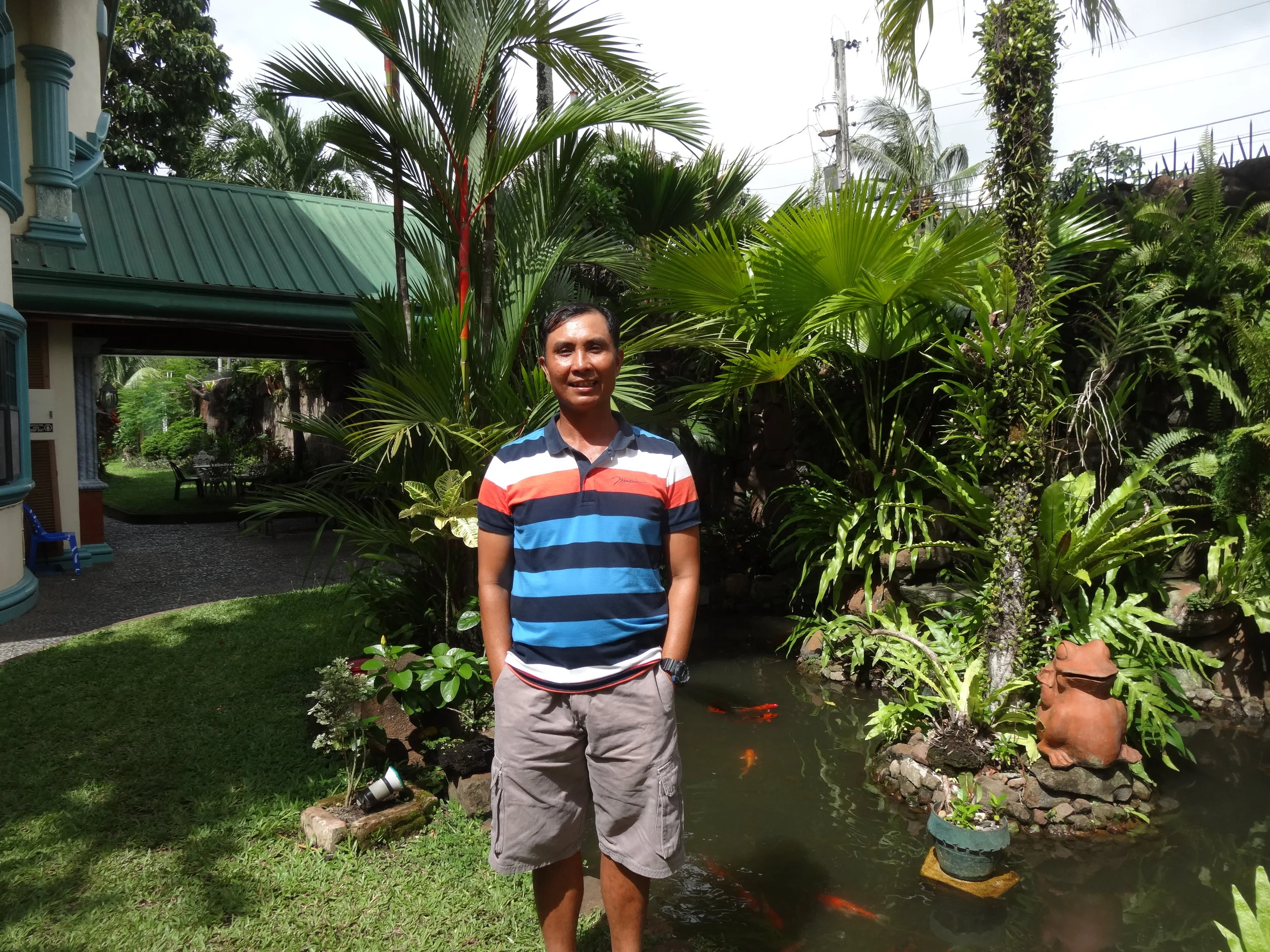
TALKING COMMUNITY EMPOWERMENT WITH CANDONI VOLUNTEER PASTOR JOSEPH ELUMBA
Barangay Agboy is one of the most far-flung villages in Negros Occidental. In the uplands of Candoni, Brgy Agboy and its approximately 1900 residents face many daily struggles.
Resident and local community volunteer Pastor Joseph Elumba has seen what his community has been through. This was why, eight years ago he began volunteering with Quidan Kaisahan as they began their work with the community in Agboy.
An active member of the barangay, Pastor Joseph was instrumental in introducing Quidan and the programs to the wider community. Community members were understandably cautious about new groups and people in their village. Since the 1970s, Candoni has been caught in the middle of armed fighting between rebel groups and armed forces.
“Many people [in Brgy Agboy] wondered if there was something wrong with Quidan,” Pastor Joseph admits.
As a community, they were cautious and disempowered. ‘Back then, people didn’t have interest in their local government. They had their needs but didn’t know what they could do,” says Pastor Joseph.
Among the major issues were the lack of access to clean water and the high number of young people out of school because there was only an elementary school available in the area.
Together with Quidan, Pastor Joseph visited the local puroks (smaller areas of the barangay) to raise awareness of Quidan and the importance of open conversations between the community and barangay officials.
And many now are thankful for Pastor Joseph’s and Quidan's perseverance in the beginning. Eight years later, Pastor Joseph is proud of where is barangay has come.
“We have women, farmers and youth attending barangay assembly meetings, their voices are being heard.” Pastor Joseph explains. Together, these community groups have lobbied government support for projects that will assist their areas most. “Farmers have had successful proposals for farming equipment and there was a ramp pump built for a vital water source."
In March this year, the community shared the pride of Quendelyn Occeno the most recent Quidan-supported college scholar and ALS-graduate who completed from her Bachelor of Agriculture with honors.
Quendelyn represents the hundreds of out-of-school youth in the Agboy community who have returned to their schooling through Quidan-supported programs like the Department of Education’s Alternative Learning System (ALS) and Drop Out Reduction (DORP) support in formal schools.
Pastor Joseph hopes for even more support around child education and protection. He continues to work side by side with Quidan, recently joining the team of community volunteers to help implement the new Child Sexual Abuse Prevention program targeting at-risk children in his community.
Quidan is grateful for the support of community volunteers like Pastor Joseph. These dedicated individuals help Quidan reach more families and build sustainable growth for their community.